UNICEF Indonesia is leading a national effort to improve childhood nutrition outcomes by strengthening nutrition education and promoting healthier behaviours among school-age children.
Building on the success of the Legends program in the Pacific, I was engaged by UNICEF, in partnership with the World Food Programme (WFP) and Persagi (the Indonesian Nutrition Association), to design a scalable, multi-sector nutrition education program for primary schools.
The objective was to develop an engaging, evidence-based learning model that could improve nutrition literacy while supporting long-term behaviour change across diverse Indonesian contexts.
In this role, I led the strategic design phase of the program, bringing together research, stakeholder insight, and digital opportunity to define a viable and scalable solution.
Key Contributions
- Defined target audience segments and engagement strategies to inform pilot design
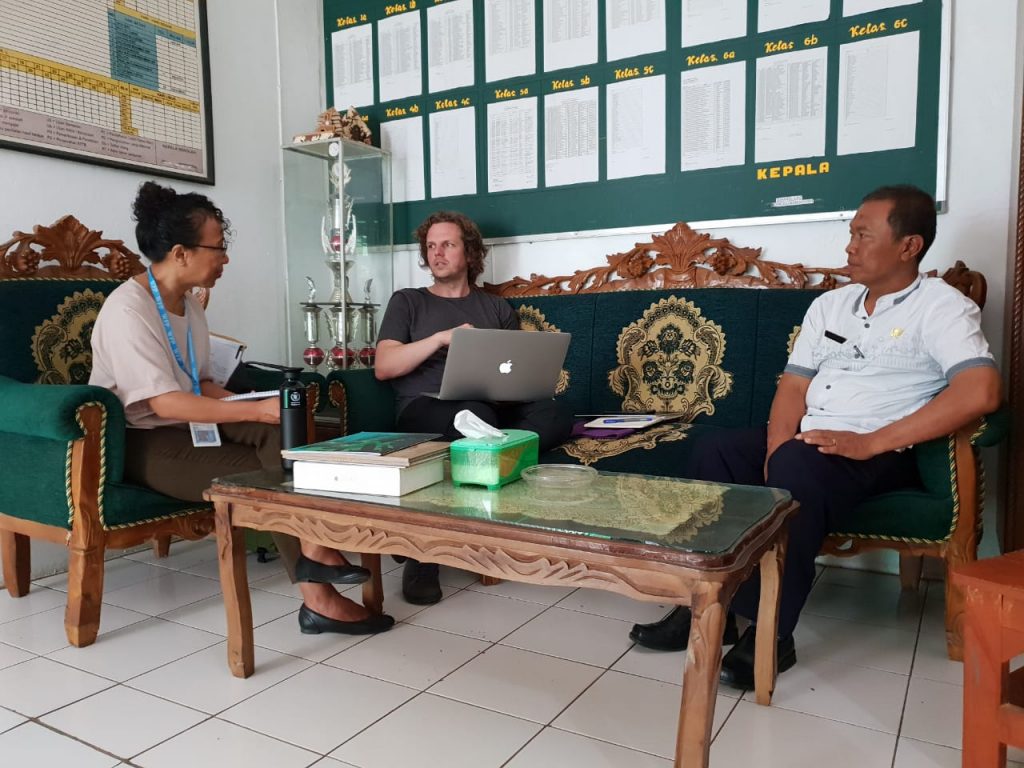
- Synthesised behavioural insights on children’s eating habits, combining field observations with existing research
- Audited existing nutrition education initiatives to identify gaps and integration opportunities
- Assessed the Indonesian education landscape, including curriculum constraints and effective teaching methodologies
- Evaluated technology access and the role of digital platforms in supporting learning outcomes
- Identified key risks, barriers, and implementation considerations across regions
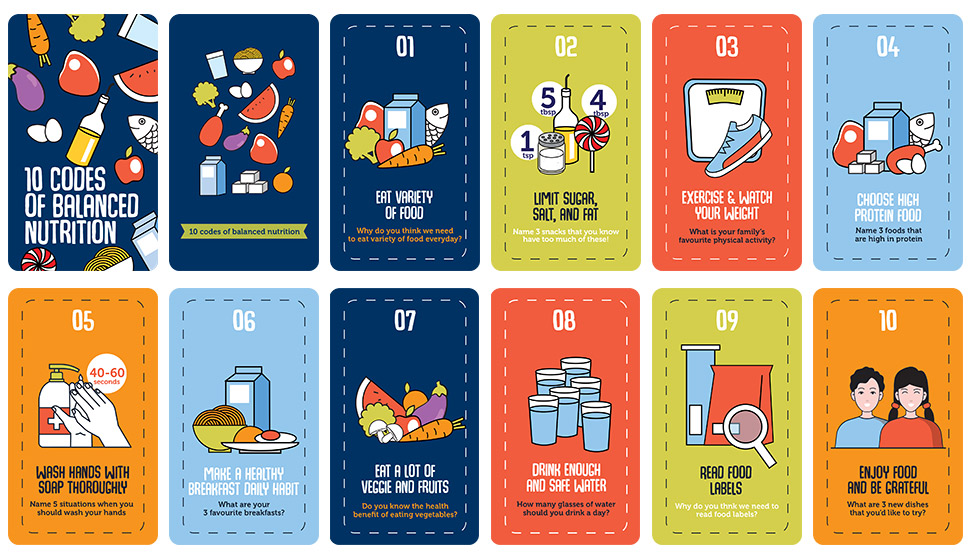
- Designed and developed a pilot suite of learning materials for in-country testing
Impact
- Established a clear strategic foundation for a national nutrition education program
- Delivered a validated pilot approach tailored to local contexts
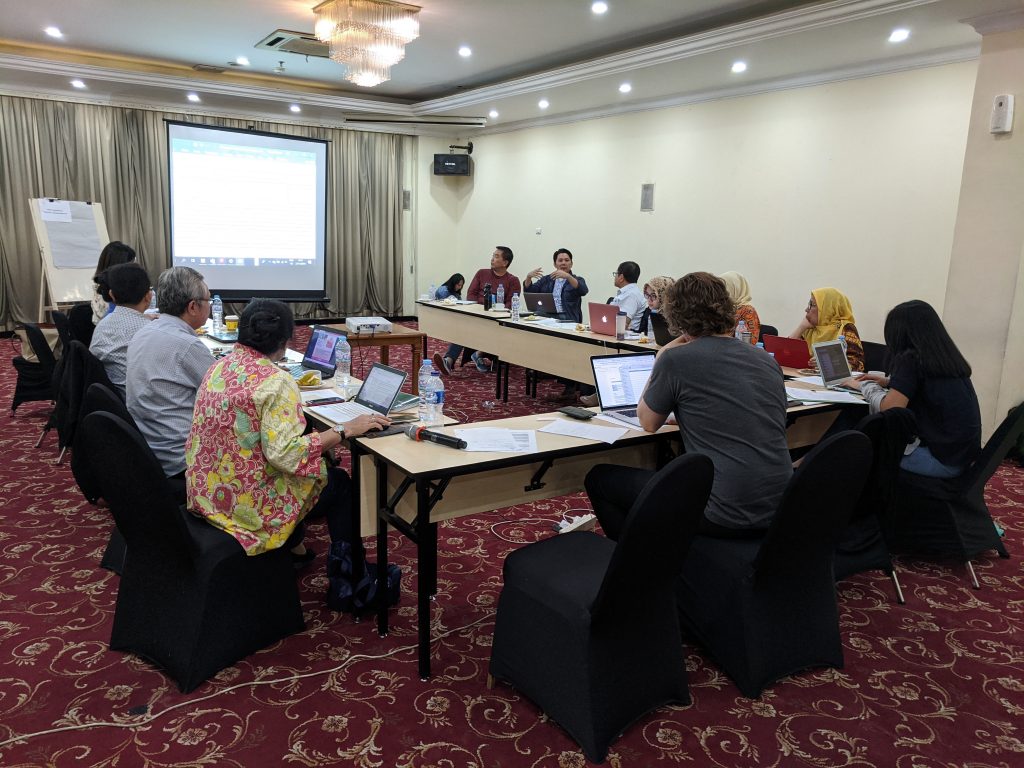
- Enabled alignment across UNICEF, WFP, and national stakeholders
- Created a scalable model for future rollout across Indonesia